How we plan an accessible sensory trip through New Zealand
An accessible trip isn't improvised: it's designed. Step by step, we share how we plan each route so travelling without relying on sight is safe, comfortable and yours.
When someone writes to us eager to explore New Zealand, the first thing we do isn't book flights. It's listen. Every sensory trip starts with a calm conversation to understand how you experience the world, what excites you and what you need to feel at ease.
We start with what matters most: you
We don't adapt a generic trip: we build it from scratch around the person travelling. We talk about pace, about rest, about which textures, sounds and scents you want to experience, and about any support that helps you along the way.
Questions we ask before every route
- Which experiences do you want to feel with your hands, your ears or your sense of smell?
- Are you travelling alone or with company? With a guide dog?
- What pace feels comfortable to you: slower or more active?
Small groups, real attention
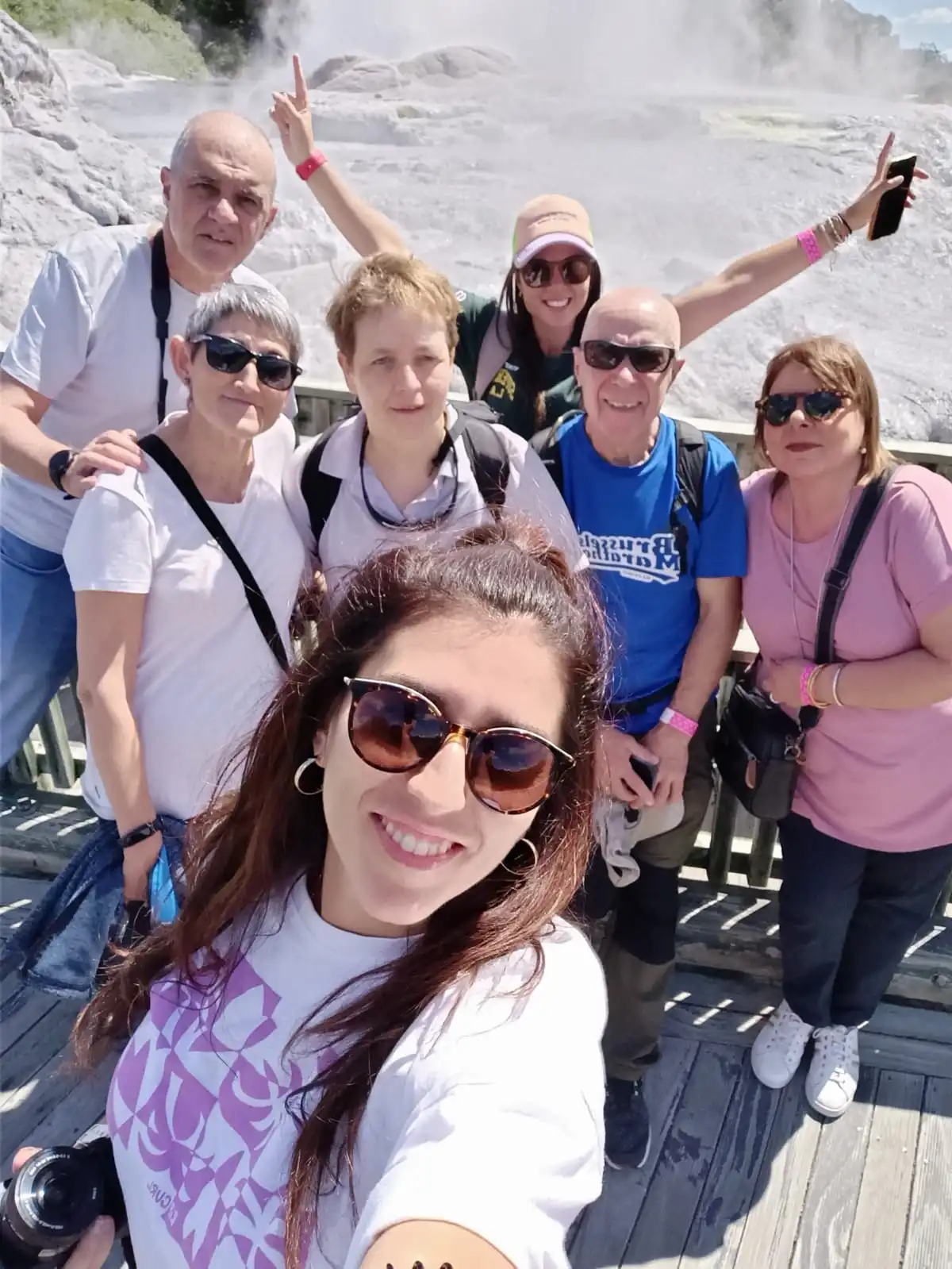
We travel in groups of three to six people, with the two of us always there. That lets us describe the surroundings calmly, offer a hand when needed and adjust the plan on the go without anyone feeling rushed.
Luxury, for us, isn't visual: it's having time, space and someone you trust by your side.
Safety and independence, together
We prepare every stay and activity in advance: we confirm access, describe the rooms, review the routes and brief the local providers. The goal isn't for you to depend on us, but for you to move with confidence.
In the end, a good accessible trip doesn't feel «special». It feels like a trip that simply works.